

Truth Over Tribe: Christian Takes on Culture, News & Politics
Tired of the culture war? This is that podcast that’s too liberal for conservatives, too conservative for liberals. We seek to follow the lamb, not the donkey or elephant.



Episodes
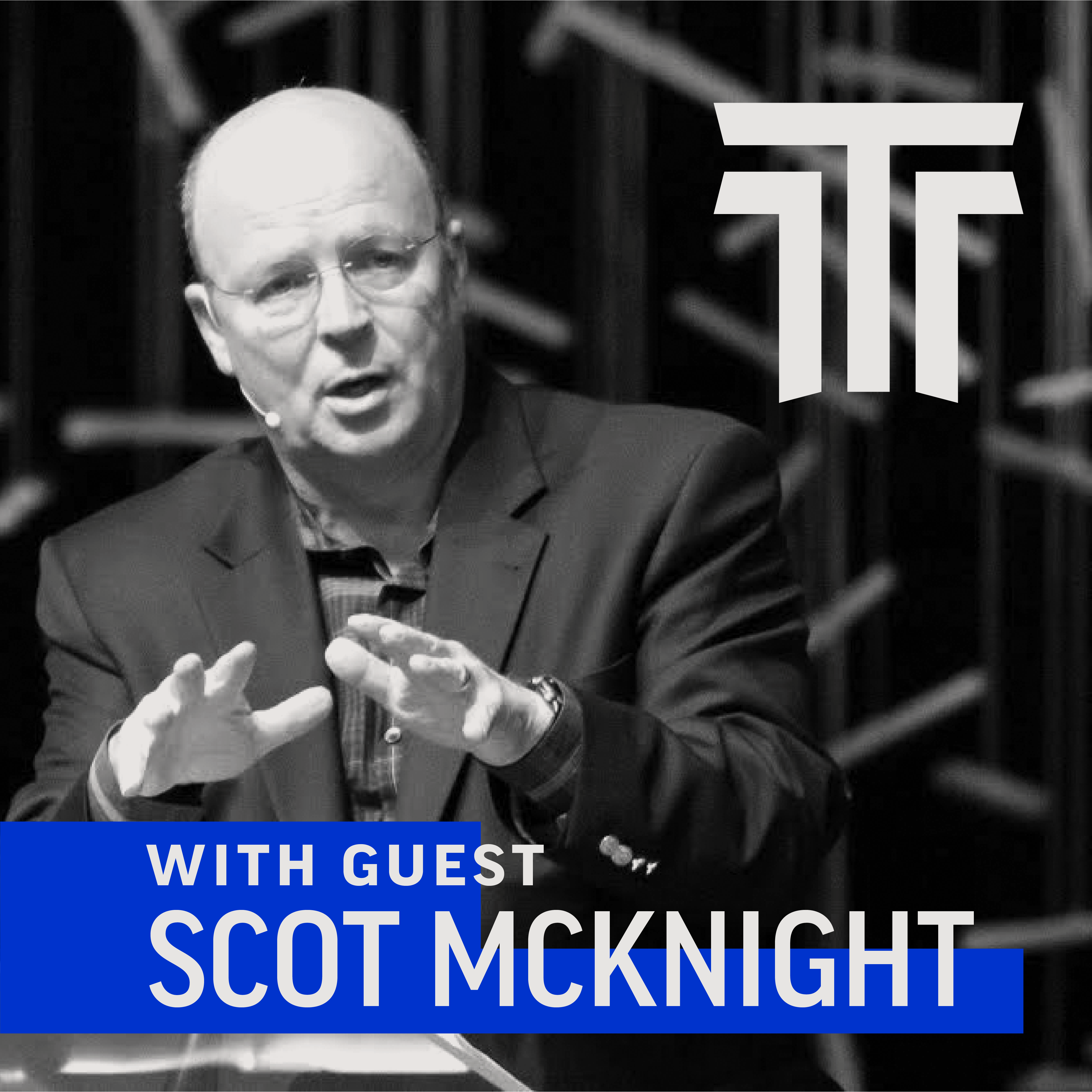
You’re Reading Revelation All Wrong with Scot McKnight
End Times, the mark of the beast, and the Antichrist. Oh, my! Were these your takeaways from reading Revelation? You’re not alone! Today’s guest, Scot McKnight, author of Revelation for the Rest of Us, also grew up viewing this book as a prediction of End Times events. But what’s wrong with reading Revelation as a predictive prophecy? What’s the real purpose of this apocalyptic literature? In this fascinating episode, McKnight explains how John designed his Book of Revelation to disciple readers into dissidents of the ways of the world and empire, or "Babylon." Learn how the Bible repeatedly uses Babylon as imagery, how Babylon finds its way into the church, and how Christians can learn to live in Babylon without being contaminated by it. We hope you leave this episode experiencing the real wisdom, witness, and worship lessons Revelation was meant to offer. Listen now!Have you benefitted personally from Truth Over Tribe or seen it have a positive effect on someone you know? have you used the podcast, book, or blog as a catalyst for conversation on polarizing topics?We want to hear about it!Share your story at choosetruthovertribe.com/story.Ok, truth time... Did you like this episode? Tell us by leaving a rating or review! 🌟🌟🌟🌟🌟 If you did, you won't want to miss what's next (so subscribe now!). And help a friend by sharing this with them. Thank you! 🙏Plus, the conversation is just beginning! Follow us on Twitter, Facebook, and Instagram to join in on the dialogue! If you disagree with anything in this episode, we'd love to hear your thoughts here. Want to learn more about Truth Over Tribe? Visit our website and subscribe to our weekly newsletter.Want more truth over tribe? Check out our resources!ResourcesBuy the Revelation for the Rest of Us
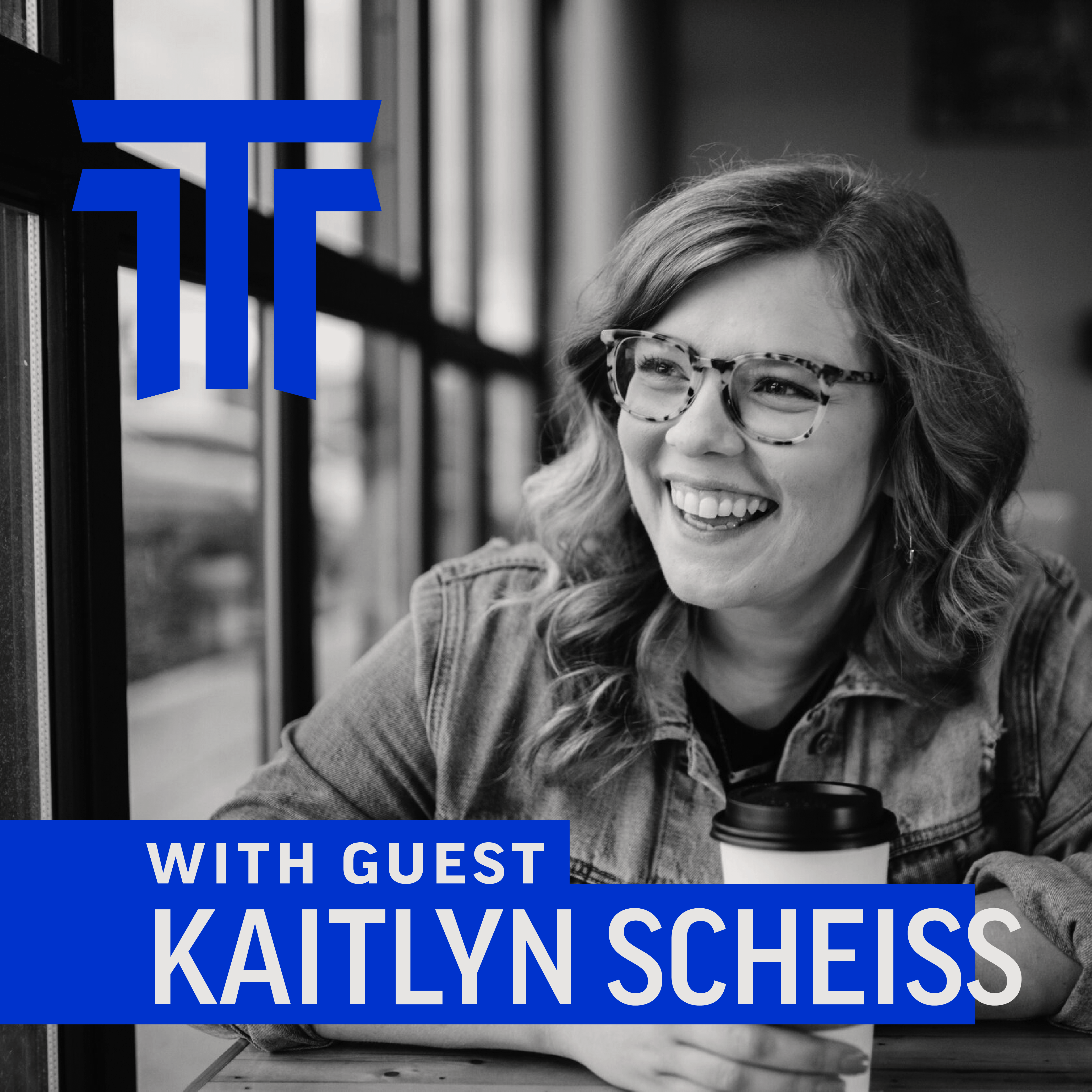
When The Bible Goes To Washington with Kaitlyn Scheiss
A city on a hill. The light of the world. The hope of nations. Are these about Jesus or America? These ideas might come from the Bible, but politicians love to apply them to our country. Why? And is there a problem with doing that?Today, Patrick speaks with Kaitlyn Scheiss, author of The Bible and the Ballot: How Scripture Has Been Used And Abused In American Politics and How We Go From Here. Both Republicans and Democrats toss Bible verses around like a basket of rolls at a church potluck but neither wants to stick around to help clean up after.Have you benefitted personally from Truth Over Tribe or seen it have a positive effect on someone you know? have you used the podcast, book, or blog as a catalyst for conversation on polarizing topics?We want to hear about it!Share your story at choosetruthovertribe.com/story.Ok, truth time... Did you like this episode? Tell us by leaving a rating or review! 🌟🌟🌟🌟🌟 If you did, you won't want to miss what's next (so subscribe now!). And help a friend by sharing this with them. Thank you! 🙏Plus, the conversation is just beginning! Follow us on Twitter, Facebook, and Instagram to join in on the dialogue! If you disagree with anything in this episode, we'd love to hear your thoughts here. Want to learn more about Truth Over Tribe? Visit our website and subscribe to our weekly newsletter.Want more truth over tribe? Check out our resources!ResourcesBuy The Bible and the Ballot Book

How The World Was Remade Forever In 1776 with Andrew Wilson
Andrew Wilson discusses the importance of history and why Christians should care about it. He explains that our understanding of history shapes our worldview and influences how we navigate contemporary issues. Wilson also explores the significance of the year 1776, arguing that it played a crucial role in shaping the modern West. He highlights key events and ideas from that year, such as the Industrial Revolution, the publication of influential books, and the rise of democracy. Wilson concludes by examining why America became and remained a democracy, despite the absence of other democratic nations at the time.Takeaways- Understanding history is essential for accurately identifying the good and bad aspects of our own time.- Our worldview and beliefs are shaped by the narrative of history, so it is important to critically examine and refine our understanding of the past.- The year 1776 had a significant impact on shaping the modern West, with key events and ideas such as the Industrial Revolution, the publication of influential books, and the rise of democracy.- America's unlikely victory in the Revolutionary War and its subsequent establishment and maintenance of democracy set it apart from other nations at the time.Have you benefitted personally from Truth Over Tribe or seen it have a positive effect on someone you know? have you used the podcast, book, or blog as a catalyst for conversation on polarizing topics?We want to hear about it!Share your story at choosetruthovertribe.com/story.Ok, truth time... Did you like this episode? Tell us by leaving a rating or review! 🌟🌟🌟🌟🌟 If you did, you won't want to miss what's next (so subscribe now!). And help a friend by sharing this with them. Thank you! 🙏Plus, the conversation is just beginning! Follow us on Twitter, Facebook, and Instagram to join in on the dialogue! If you disagree with anything in this episode, we'd love to hear your thoughts here. Want to learn more about Truth Over Tribe? Visit our website and subscribe to our weekly newsletter.Want more truth over tribe? Check out our resources!

Mixed Ethnic Identity in the American Church with Eli Bonilla Jr.
One of our favorite topics to discuss on Truth Over Tribe is race and ethnicity, but one related topic we have yet to explore here is mixed ethnic identity. Today, we’re excited to do that when Eli Bonilla Jr., author of “Mixed: Embracing Complexity by Uncovering Your God-Led Identity,” joins Patrick on the pod! You’ll hear all about Eli’s experience having a mixed ethnic heritage, why he always felt caught in the middle, and why, after 2020, he stopped identifying as a white man. Eli dives into the differences between race and ethnicity and explains why ethnicity is a healthier, more biblical lens from which to view things. He answers why Christians tend to too easily fall prey to the culture’s conversations and explains why we don’t have to pick and choose which topics matter most. Plus, why does the conversation of race and ethnicity exclude so many people of color? And what message would he give to churches that are predominantly one race? Listen now!Have you benefitted personally from Truth Over Tribe or seen it have a positive effect on someone you know? have you used the podcast, book, or blog as a catalyst for conversation on polarizing topics?We want to hear about it!Share your story at choosetruthovertribe.com/story.Ok, truth time... Did you like this episode? Tell us by leaving a rating or review! 🌟🌟🌟🌟🌟 If you did, you won't want to miss what's next (so subscribe now!). And help a friend by sharing this with them. Thank you! 🙏Plus, the conversation is just beginning! Follow us on Twitter, Facebook, and Instagram to join in on the dialogue! If you disagree with anything in this episode, we'd love to hear your thoughts here. Want to learn more about Truth Over Tribe? Visit our website and subscribe to our weekly newsletter.Want more truth over tribe? Check out our resources!ResourcesBuy the "Mixed: Embracing Complexity by Uncovering Your God-Led Identity" Book
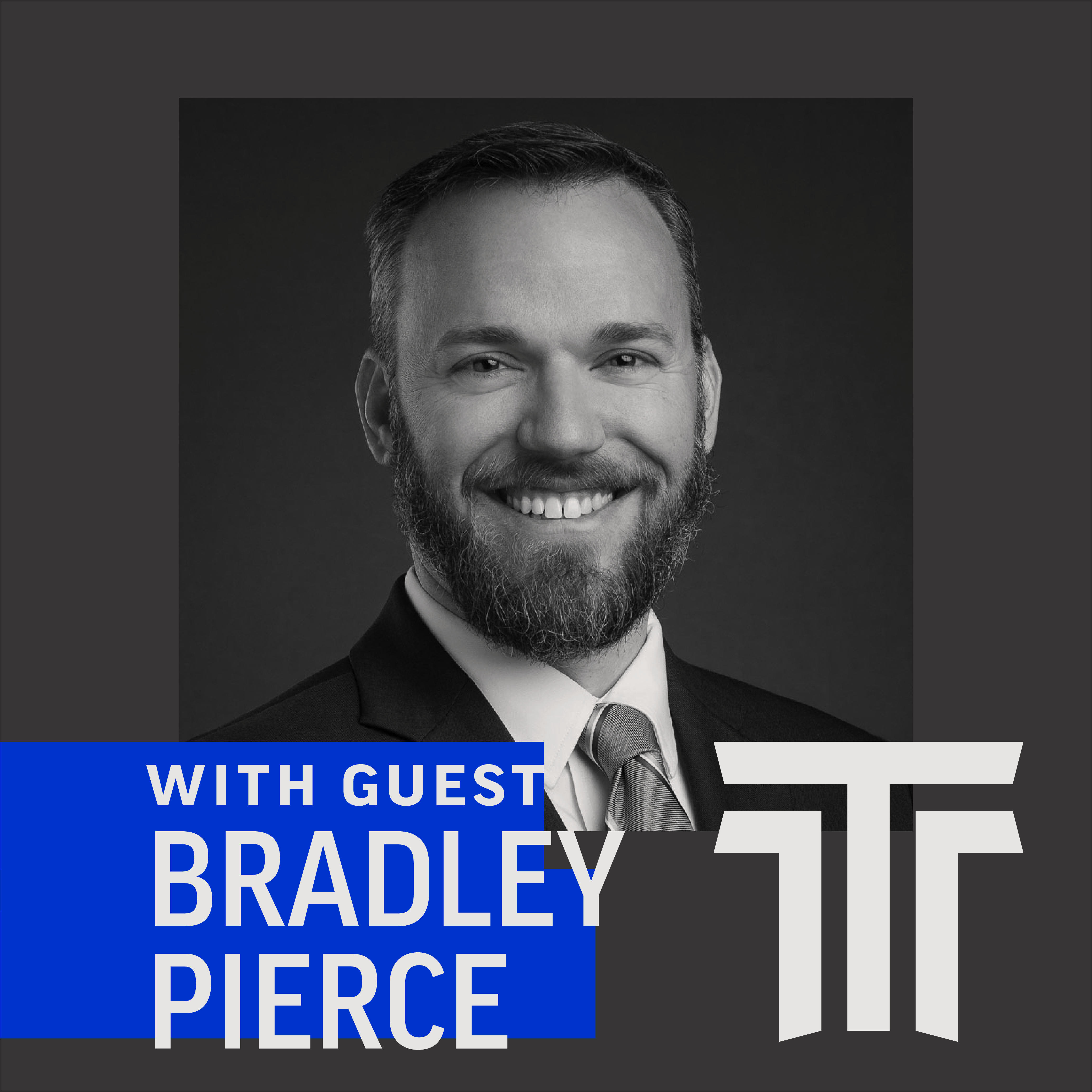
Is Being Pro-Life Enough? with Abortion Abolitionist Bradley Pierce
Many Christians would claim to be pro-life. But a growing movement of Christians called abortion abolitionists believe that simply being pro-life isn’t enough, putting them at odds with the traditional, mainstream pro-life movement. So, what’s the difference between the pro-life and abolitionist movements? Today, Keith finds out when he talks with one of the best representatives of the abolitionist movement, Bradley Pierce. Bradley is a constitutional lawyer in Texas and part of the Foundation to Abolish Abortion. You’ll hear him define the abolitionist movement and explain where he believes the pro-life movement has compromised their cause. He’ll share his disagreements with pro-life leadership and whether or not he believes there should ever be any exceptions for abortion. Plus, should mothers really be criminalized for abortions, and what are the problems with giving the government that much power? Could the abortion abolitionist movement unintentionally lead to more abortions due to its extreme views? Listen now!Have you benefitted personally from Truth Over Tribe or seen it have a positive effect on someone you know? have you used the podcast, book, or blog as a catalyst for conversation on polarizing topics?We want to hear about it!Share your story at choosetruthovertribe.com/story.Ok, truth time... Did you like this episode? Tell us by leaving a rating or review! 🌟🌟🌟🌟🌟 If you did, you won't want to miss what's next (so subscribe now!). And help a friend by sharing this with them. Thank you! 🙏Plus, the conversation is just beginning! Follow us on Twitter, Facebook, and Instagram to join in on the dialogue! If you disagree with anything in this episode, we'd love to hear your thoughts here. Want to learn more about Truth Over Tribe? Visit our website and subscribe to our weekly newsletter.Want more truth over tribe? Check out our resources!

How Should Christians Engage with the Culture? with Christopher Watkin
What is culture anyway? Despite being a cultural commentary podcast, we’ve never quite teased out the seemingly-simple-yet-actually-complicated definition. So today, Patrick teams up with Christopher Watkin, author of Biblical Critical Theory, to define and make sense of “culture.” The two discuss what culture is (and what it isn’t) and what it looks like for Christians to engage with culture. Given that we’re all enculturated, what should we strive for: Should we be more monocultural? Or should our pursuit of Christlikeness place us outside of culture as a whole? How can everyday, average Christians read the Bible and think about culture? And how should we sort out disagreements? Should our interpretation of the Bible be more postmodern in an attempt to make sense of our culture? Listen now!Has Truth Over Tribe helped you navigate tricky tribal relationships or sticky cultural topics? If you have found this podcast beneficial, will you consider supporting us? We hope to continue helping people ditch the donkey and the elephant to follow the lamb. Your support is appreciated!You can support us here.Have you benefitted personally from Truth Over Tribe or seen it have a positive effect on someone you know? have you used the podcast, book, or blog as a catalyst for conversation on polarizing topics?We want to hear about it!Share your story at choosetruthovertribe.com/story.Ok, truth time... Did you like this episode? Tell us by leaving a rating or review! 🌟🌟🌟🌟🌟 If you did, you won't want to miss what's next (so subscribe now!). And help a friend by sharing this with them. Thank you! 🙏Plus, the conversation is just beginning! Follow us on Twitter, Facebook, and Instagram to join in on the dialogue! If you disagree with anything in this episode, we'd love to hear your thoughts here. Want to learn more about Truth Over Tribe? Visit our website and subscribe to our weekly newsletter.Want more truth over tribe? Check out our resources!ResourcesBuy the Biblical Critical Theory Book
About the Show
Our interviews with leading Christian and non-Christian thinkers will challenge you to consider truth. We hope our podcast will help you understand what’s happening in your workplace, home, community, and society, then apply Jesus’s teachings there.
We don’t take ourselves too seriously. Or any tribe, for that matter. So prepare yourself to laugh, think, get offended, change your mind, or shout in agreement.
Above all, you’ll become the kind of leader and thinker whose outlook is shaped by Jesus, not mainstream media out to get a buck and fuel the outrage.